Why Water Quality Matters: How ST108 Protects Patients and Equipment
Healthcare facilities depend on clean, properly treated water and steam to safely clean, disinfect, and sterilize reusable medical devices. To improve patient safety and reduce risks linked to contaminated or poor‑quality water, the ANSI/AAMI ST108:2023 standard was introduced. This new standard replaces older guidance and creates mandatory, enforceable requirements for water quality in sterile processing departments.
While ST108 has been formally adopted, it is not yet mandatory or enforceable. Many industry experts anticipate enforcement to begin late 2026 or early 2027, but facilities are encouraged not to wait. Early preparation helps identify issues and ensures the cleanest possible water and steam for those in their care.
If your facility uses water or steam to reprocess medical instruments, understanding this standard is essential for readiness, accreditation alignment, and safe operations.
What Is the ANSI/AAMI ST108 Standard?
ANSI/AAMI ST108 establishes clear quality requirements for the water and steam used at every stage of medical device reprocessing. It defines how facilities must treat, test, monitor, and maintain water systems to ensure instruments are safe for patient use.
The standard outlines testing and performance for three critical water categories:
- Utility Water – Incoming source water used during initial cleaning stages.
- Critical Water – High‑purity water used for final rinsing and sensitive reprocessing steps.
- Steam – Water converted into steam for sterilization in autoclaves and steam generators, including steam supplied by central boiler plants.
Who Needs to Prepare for ST108
ST108 Standard applies to any healthcare facility that reprocesses reusable medical devices, including:
- Hospitals & Health Systems
- Ambulatory Surgery Centers (ASCs)
- Endoscopy & GI Centers
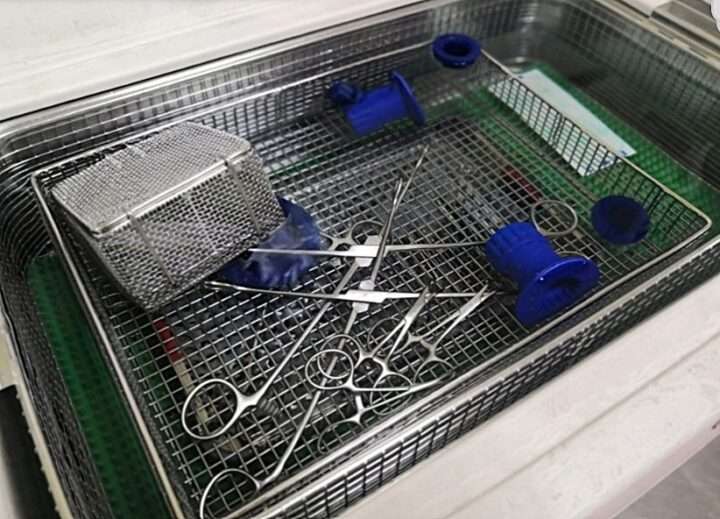
- Facilities using autoclaves, AERs, ultrasonic cleaners, or steam generators
Organizations accredited by The Joint Commission, CMS, or ACHC should expect ST108 to become closely aligned with inspection and compliance standards once enforcement begins.
What Does the ST108 Standard Require?
One of the biggest changes in ST108 is the requirement for routine testing across approximately 18 different water and steam quality parameters. These include microbial levels, chemical contaminants, conductivity, pH, and more. Testing must be performed at multiple points throughout the reprocessing cycle.
ST108 also requires facilities:
- Establish a cross‑functional water and steam management team
- Complete ongoing risk analysis of their water and steam systems
- Maintain detailed documentation and traceability for audits
These measures help ensure safety, consistency, and regulatory readiness.
Why ST108 Matters for Healthcare Facility Safety
High‑quality water and steam is essential for preventing contamination, eliminating harmful microorganisms, and protecting medical equipment. Poor quality can lead to:
- Instrument corrosion
- Biofilm buildup
- Reduced performance of sterilization equipment
- Increased risk of healthcare‑associated infections
By preparing early for ST108, facilities can significantly reduce risk and maintain safer, more reliable sterile processing operations.
How Metro Group Can Help Your Facility Prepare
Metro Group specializes in water and steam treatment, testing, and system optimization. Making us the ideal partner as your facility prepares for ST108. Our Services include:
- ST108 Readiness Assessments
- Water & Steam System Testing and Monitoring through our in-house CDC ELITE and NYELAP Certified Laboratory.
- Treatment System Evaluation & Optimization
- Documentation Support for Audits & Accreditation
Our team ensures your water and steam meet the quality standards needed to protect patients, staff, and equipment.
Need Help with ST108?
Metro Group has been the trusted source for building solutions since 1925. We’ll guide your facility through every aspect of the ANSI/AAMI ST108 standard.
Contact us today to schedule a free consultation and ensure your water and steam systems are safe, compliant, and audit-ready.
NJ Legislation to Combat Legionnaires’ Disease: What Does It Mean for Public Water Systems and Buildings?
Published September 24, 2024

New Jersey is taking significant steps to combat Legionnaires’ disease with new legislation S2188. What are the new rules for public water systems and buildings? How will they affect you? Here’s everything you need to know.
What Are the New Requirements for Public Water Systems in New Jersey?
Operators of public water systems with 100 or more service connections—typically large municipalities, buildings, and campuses—must now follow stricter regulations:
- Maintain Safe Disinfectant Levels: Public water systems are required to keep chlorine levels at a minimum of 0.3 mg/L or monochloramine at 1.0 mg/L to prevent Legionella growth.
- Frequent Testing: Regular testing for disinfectant residuals will be mandatory to ensure water quality remains within the acceptable range.
- Public Notification: What happens if there’s a water disruption? Operators must inform residents and businesses of any potential increase in Legionella risk due to disruptions like repairs or construction, along with tips to mitigate exposure.
- Health Department Investigations: What does the Department of Health (DOH) do? If a case of Legionnaires’ disease is reported, the DOH will investigate in collaboration with the water system operator.
Which Buildings Need Water Management Programs and Why?
Certain high-risk buildings are required to implement water management programs designed to minimize Legionella growth. The following are covered:
- High-Risk Buildings: Do healthcare and large buildings need water management plans? Yes. Healthcare centers, treatment facilities for immunocompromised populations, and buildings over 10 stories with centralized hot water systems must comply.
- Buildings with Water Aerosol Systems: What about buildings with cooling towers or fountains? Facilities with water aerosol systems like whirlpools, cooling towers, humidifiers, and decorative fountains must establish water management programs.
- ASHRAE Standard 188 Compliance: By September 12, 2026, these buildings must follow ASHRAE Standard 188, a national guideline for minimizing Legionella risks in building water systems.
What Are the Penalties for Non-Compliance?
What happens if a building or water system doesn’t comply with the new rules? Penalties can range from $2,000 for the first violation up to $10,000 for more severe offenses, particularly if they lead to serious injury or death.
How Will the Department of Health Protect Public Health?
The Department of Health plays a critical role in the enforcement and public health response:
- Investigations of Legionnaires’ Cases: What should you expect if a case is reported in your area? The DOH will investigate and offer testing for residents in affected areas.
- Public Case Registry: Will there be a database for reported cases? Yes, the DOH will create a public registry of anonymized Legionnaires’ cases.
- Public Awareness Campaigns: How can you protect yourself from Legionella? The DOH will run campaigns to educate the public about Legionella risks and how to reduce exposure, especially targeting vulnerable populations.
- Getting Ready: How Can You Comply with the New Legislation? Partner with a trusted water treatment leader like Metro Group to ensure compliance by the August 1, 2026 deadline. All impacted buildings and public water systems must meet the new regulations, designed to prevent, detect, and manage Legionella risks across New Jersey. This proactive approach prioritizes public health and safety, safeguarding communities for the future.
Are you ready for Legionella Compliance?
Metro Group has been the trusted source for building solutions since 1925. Let us help you take the right steps to ensure compliance and safeguard your residents, employees, and customers from Legionella bacteria. Contact us today to learn more about our turnkey water management plans and receive a FREE quote on a comprehensive legionella water analysis from our CDC ELITE & ELAP certified lab.